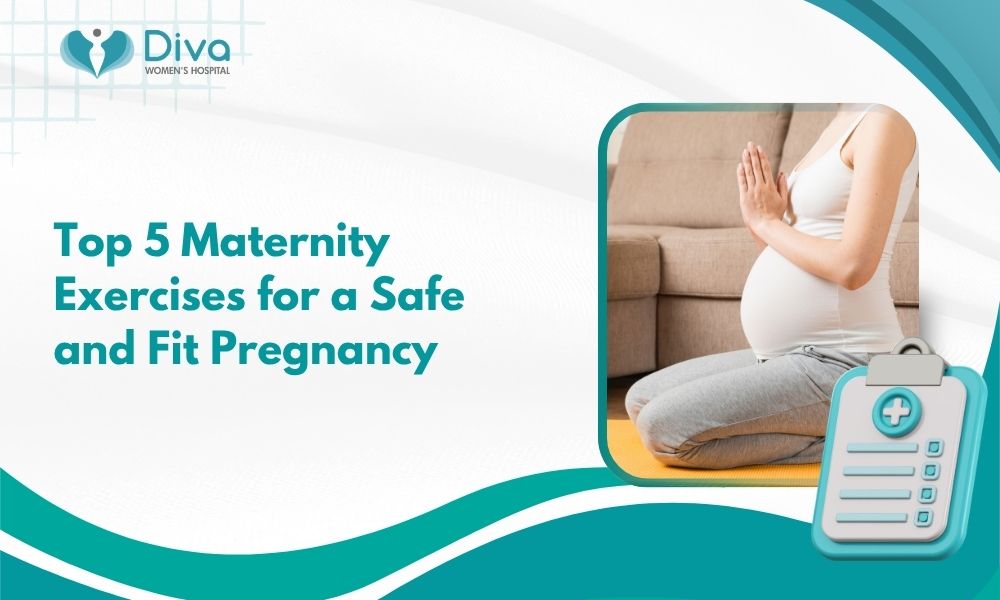
It is tough to understand how demanding a pregnancy really is. No book and no application ever tells you what you actually need to add to your routine while you are pregnant. By the time of the second trimester, various women end up with irregular sleep, backaches, swollen ankles, and even reduced energy levels.
But here is what the clinical evidence consistently shows. It often advises showcasing gentle, purposeful movement during pregnancy that does not deplete the body. If maintained properly, it restores effectively. Better circulation, stronger muscles, improved mood and reduced labour duration are not just the marketing claims. They are outcomes tied to regular prenatal exercise.
At Diva Hospitals, our obstetric specialists guide expecting mothers through building a Safe and Fit Pregnancy that is shaped around the individual. Before beginning any exercise program, consult your doctor. The trimester and health history of the mother often matter the most. Here are the five exercises we recommend most.
1. Prenatal Yoga
Standard yoga classes were not built for a body carrying an extra 10 to 15 kilograms. Prenatal yoga is specifically meant for this. The sequences are modified to work with loosened ligaments, a shifted centre of gravity, and limited breath capacity in the later months. It is gentle on the surface, but the benefits ensure both a healthy mother and baby.
What makes it worth doing:
- Reduces lower back pain, which affects the majority of pregnant women from the second trimester onwards.
- Breathing techniques practised in prenatal yoga translate directly into labour management.
- Regular practice noticeably lowers anxiety levels, something many expecting mothers struggle with in silence.
- Only pregnancy-safe poses should be practised; avoid deep twists, inversions, and prone positions.
2. Kegel Exercises
Few exercises are as quietly powerful as Kegels. The pelvic floor, a group of muscles that supports the uterus, bladder, and bowel, takes on extra load during pregnancy and delivery. They require no equipment, no gym and no time block on a calendar. A set can be completed while reading, sitting in a waiting room, or even during a work call.
Our maternity team at Diva Hospitals walks every patient through the correct technique because an incorrectly performed Kegel leads to less impactful results.
Key things to know:
- Reduces urinary incontinence, a problem that affects far more pregnant women.
- Supports the bowel and bladder simultaneously.
- Postpartum recovery is measurably faster in women who maintained a consistent Kegel routine during pregnancy
- Requires no equipment, no space, and no dedicated time block
3. Walking
Walking gets dismissed because it feels too ordinary. A 20 to 30-minute brisk walk each day does not only benefit gestational health. It regulates blood sugar; manages weight gain; improves venous return in the legs, which directly reduces that characteristic swelling; and gives the body a gentle cardiovascular workout that does not stress the joints.
The practical benefits:
- Regulates blood sugar levels, particularly relevant for women at risk of gestational diabetes.
- Improves venous return from the legs, which directly reduces that stubborn ankle and calf swelling.
- Triggers endorphin release that accesses mood regulation during pregnancy.
- In the third trimester, flat surfaces and supportive footwear are non-negotiable as the balance shifts significantly.
4. Swimming
Ask any obstetrician what their favourite pregnancy exercise is, and swimming comes up frequently. The reason behind this is that water offloads approximately 90% of body weight, giving the joints, spine, and pelvis genuine relief which becomes harder to come by as the third trimester sets in.
What makes it stand out:
- Works on the arms, legs and core simultaneously, without impacting the joints of weight-bearing exercise.
- Aqua aerobics classes designed for pregnancy add light resistance training.
- The social element of group sessions matters a lot. Isolation during pregnancy carries real mental health consequences.
- It is safe across all three trimesters for most women. But you also have to verify with your doctor if you have any cervical or placental concerns.
5. Stationary Cycling
Outdoor cycling becomes a bad idea during the early pregnancy stage, as falling is a genuine and serious risk. Stationary cycling removes that risk while preserving the cardiovascular benefits. It is one of the few cardio options that remains practical and safe well into the second trimester.
Why it earns a place on this list:
- Strengthens the quadriceps and hamstrings: both play a significant role in the pushing stage of labour
- Resistance is fully adjustable: intensity can be scaled back as the pregnancy advances.
- High-end comfort: The seated position minimises pressure on the pelvis compared to standing cardio options
- Keep the handlebars at a comfortable height: leaning forward too far adds unnecessary strain to the lower back.
Maintaining a Safe and Fit Pregnancy is not about athletic performance; it is about nurturing your body’s remarkable capacity to grow and sustain life. The five exercises outlined above are clinically supported, trimester-adaptable, and designed to work with your body rather than against it.
At Diva Hospitals, our dedicated team of obstetricians, gynaecologists, and prenatal wellness experts is committed to accompanying every mother through her unique pregnancy journey, from the first trimester to the golden moments of postnatal recovery. We believe that informed, well-supported mothers have the strongest, healthiest pregnancies.
Schedule a personalised prenatal consultation at Diva Hospitals today, because every pregnancy deserves expert care, every step of the way.
FAQ
Which exercises are safe during pregnancy?
Prenatal yoga, walking, swimming, Kegels, and stationary cycling are safe when done correctly.
Why is prenatal exercise important for pregnancy?
It improves circulation, reduces pain, boosts mood, and supports a healthy, fit pregnancy.
Can Kegel exercises help during pregnancy?
Yes, they strengthen pelvic muscles, reduce incontinence, and improve postpartum recovery significantly.
Is walking enough exercise during pregnancy?
Yes, daily walking supports circulation, manages weight, and improves overall pregnancy health safely.
When should I consult a doctor before exercising?
Always consult before starting exercises, especially considering the trimester, health history, and medical conditions.