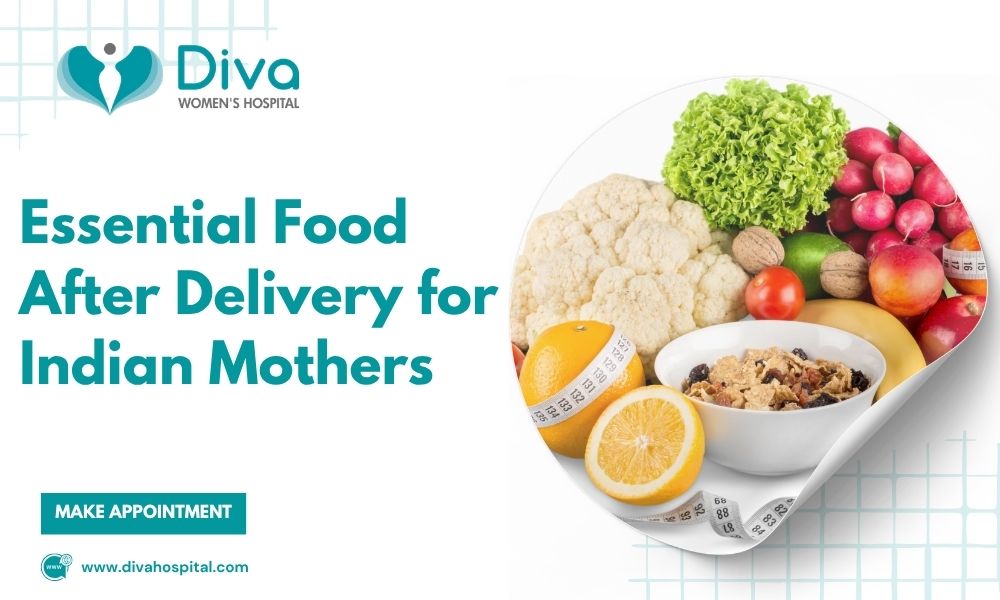
For every mother, the period after delivery is physically tough and overwhelming. While the infant is being fussed over, the mother’s recovery is based on nutrition. From bodily functions to restoring strength and lactation, healthy foods make a big difference in the postpartum period.
Most of the post-delivery food prepared in Indian homes has far more than merely being a tradition or a custom. They are based on years of empirical knowledge of healing, digestion, immunity, and lactation. A selection of Indian food for a post-delivery woman will greatly aid her recuperation and enhance her physical and emotional well-being.
Post-Delivery Nutrition: Why Should You Care for It?
There’s a lot a body goes through after a woman gives birth. While giving birth to a baby, several mothers often feel worn out for several weeks and months. This usually happens due to blood loss, hormonal changes, lack of sleep, and breastfeeding. The right choice of Indian food after giving birth can heal the body and kick-start you into rebuilding your reserves and replenishing any deficiencies.
The right food after delivery for Indian mothers should ideally
- Support tissue healing
- Improve energy levels
- Aid digestion
- Promote healthy breast milk production
- Strengthen immunity
- Prevent constipation and dehydration
Doctors also recommend regular meals rather than skipping food or changing routines after childbirth.
Traditional Indian Foods That Support Recovery
Indian postpartum meals usually focus on warm, nourishing and easy-to-digest foods. These meals are often rich in iron, calcium, protein and healthy fats.
Here are some commonly recommended options:
1. Panjiri and Gond Laddu
Many of the Indian households prepare special laddus using gond and panjeeri, which are given to the new mother. Gond (edible gum) is considered beneficial to get back the energy and regain it after childbirth, and dry fruits provide the required good fats and energy. These should be eaten in moderate quantities because they are high in calories.
2. Moong Dal Khichdi
These food groups are some of the safest foods that could be consumed post-delivery in Indian culture. Moong dal khichdi is not heavy on the stomach. It is regarded to be highly digestible and provides the right mix of proteins and carbohydrates. It would be more beneficial with a touch of ghee.
3. Ajwain Water
This herb is often used during the postnatal period because it reduces gas and improves digestion. Many new mothers are asked to consume ajwain with warm water in the first few weeks.
4. Green Vegetables
Spinach, methi and other leafy green vegetables provide much-needed fibre and nutrients such as iron and calcium post-delivery. It helps mothers recover from the blood loss during childbirth.
5. Milk and homemade dairy products
Calcium requirement is quite high post-delivery and during the breastfeeding period. Milk, curd, paneer and homemade buttermilk are the best choices for improving calcium intake and bone health.
Importance of Protein in Recovery
Protein is often overlooked in traditional postpartum diets. However, it plays an important role in tissue healing and muscle recovery.
Some good protein-rich options include:
- Dal and legumes
- Eggs
- Paneer
- Chicken soup
- Fish (if culturally preferred)
- Sprouts
- Nuts and seeds
A balanced combination of traditional meals and protein-rich foods creates healthier food after delivery for Indian mothers.
Hydration Is Equally Important
Many mothers focus only on food while ignoring hydration. Breastfeeding increases the body’s fluid requirements.
Warm fluids are generally preferred in Indian postpartum care. These may include:
- Jeera water
- Coconut water
- Soups
- Herbal drinks recommended by doctors
- Warm milk
Proper hydration can help improve milk production and reduce fatigue.
Foods That Should Be Limited
Not every traditional recommendation suits every mother. Diet should always be adjusted according to individual health conditions and medical advice.
Some foods that may need moderation include:
- Excessively oily or spicy meals
- Deep-fried snacks
- Too many sugar-heavy sweets
- Packaged junk food
- Carbonated beverages
The goal is not strict dieting but maintaining balanced nutrition during recovery.
Emotional Health and Eating Habits
It’s not just about the physical recovery after childbirth. The shift in hormones, sleep loss and stress could cause you to lose or gain weight. Moreover, it can also impact your food intake.
Having family support at home becomes invaluable during this time. Home-cooked meals with adequate nutritional value, timed eating and positive emotional encouragement will make an immense difference.
In the first couple of weeks, the diet should primarily include small, easy-to-digest meals rather than heavy food.
Expert Postpartum Care at Diva Hospitals
The right food, medical support, and personalised postpartum care help women regain their strength without compromising their health. At Diva Hospitals, expert gynaecologists ensure every mother receives complete care, from pregnancy through postpartum. Nutritional guidance, recovery tracking, and feeding support are all available under one roof. For every woman seeking a healthy and peaceful postpartum journey, Diva Hospitals is the destination.
Choosing Indian foods after delivery is not just about following tradition. It is about giving your body exactly what it needs after one of the most demanding experiences of your life.